
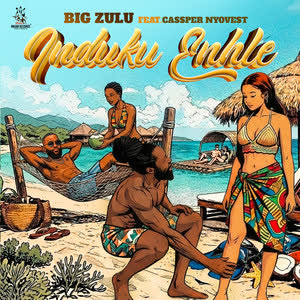
Siyabonga Nene, the artist the world knows as Big Zulu, has built a career on doing something that very few musicians manage to pull off convincingly: making music that feels rooted in centuries of tradition while simultaneously sounding completely fresh and modern. Induku Enhle is one of the strongest examples of that rare gift. Released in 2026, the track quickly moved beyond South African borders and found a deeply appreciative audience in Eswatini, Botswana, Zimbabwe, and across the broader Southern African region. For anyone who has not yet had the chance to experience this song, what follows is a thorough breakdown of everything that makes it worth your time and attention.
The Meaning Behind the Title and Why It Matters
The phrase Induku Enhle comes from isiZulu and translates directly into English as Beautiful Stick. That translation alone is enough to tell you a great deal about Big Zulu as an artist. A different musician might have reached for a title that sounds immediately impressive to a general audience, but Big Zulu chose words that only make full sense when you understand their cultural weight.
The induku, or fighting stick, is one of the most recognisable symbols in Zulu culture. For generations, young Zulu men have been trained in the art of stick fighting, a practice known as dlala induku. The activity is not simply a combat sport. It is a rite of passage, a way of building discipline and courage, and a means of connecting living communities to the ancestors who came before them. When Big Zulu names a song after a beautiful stick, he is not talking about a piece of wood. He is invoking an entire value system built around strength, honour, skill, and pride in identity.
This cultural specificity is one of the things that separates Big Zulu from many of his contemporaries. The song does not borrow Zulu imagery as decoration. The imagery is the point. For Zulu listeners, hearing the title Induku Enhle immediately activates a whole set of associations and emotions that run very deep. For listeners outside the culture, the song serves as a genuine introduction to traditions that deserve to be known and respected.
How the Production Blends Two Worlds
One of the most impressive technical achievements of Induku Enhle is the way its production bridges two musical traditions without betraying either one of them. The track sits at the intersection of South African hip-hop and maskandi, and that combination takes some unpacking for listeners who are new to either style.
Maskandi is a traditional Zulu musical genre with roots in the experiences of migrant workers during the twentieth century. It is built around the acoustic guitar played in a highly distinctive thumb-picking style, layered with vocal harmonies and traditional percussion. The genre carries a strong sense of storytelling and personal testimony. It is music that has historically spoken about real life, hardship, community, and identity in plain and honest terms.
South African hip-hop, particularly in its Zulu-language form, shares several of those values even though it sounds completely different on the surface. The emphasis on lyrical skill, on representing your community authentically, and on speaking truth to your audience connects the two genres at a deeper level than most people initially expect.
On Induku Enhle, the production team builds a foundation that lets both traditions breathe. The maskandi guitar lines are not buried in the mix or treated as a sample to be chopped beyond recognition. They run through the track as a genuine structural element, giving the song a texture that feels warm and organic even as the hip-hop drums and bass provide the kind of rhythmic energy that fills speakers and fills dance floors. Big Zulu's delivery rides that combination confidently. His voice carries natural authority, and his phrasing shows a rapper who has spent years developing genuine command over his craft.
Big Zulu as a Cultural Voice in Southern African Music
It is worth taking a moment to understand where Big Zulu sits in the broader landscape of African music in 2026, because context helps explain why a song like Induku Enhle resonates so strongly across multiple countries and communities.
A Career Built on Authenticity
Big Zulu grew up in Bergville in the KwaZulu-Natal province of South Africa. That background shaped everything about his artistic identity. From the beginning of his career, he chose to rap primarily in isiZulu rather than switching between languages to chase broader commercial appeal. That decision came with risk, but it also came with a reward that commercial calculation rarely delivers: genuine connection with an audience that feels genuinely seen.
His earlier work established him as an artist willing to address serious subjects including poverty, community struggles, and the complexity of modern Zulu identity, without softening the edges for outside consumption. By the time he reached his current level of visibility, he had already built a foundation of credibility that newer artists take years to develop.
Cross-Border Impact in 2026
The success of Induku Enhle in Eswatini is a useful case study in how Southern African music moves across borders. Eswatini has its own rich musical traditions, including Swati folk music and gospel, and its audiences are discerning. The fact that a track rooted in Zulu culture and language found a large and enthusiastic following there says something important about the universal themes the song carries. Pride in heritage, connection to ancestors, the beauty of one's own culture: these are ideas that cross linguistic borders easily because they speak to experiences that many Southern African communities share.
The song has also circulated widely in South African diaspora communities in the United Kingdom and Australia, where listeners use music like this to maintain a sense of cultural connection across large geographical distances. That kind of reach is not manufactured by a marketing campaign. It grows organically from the genuine quality and cultural depth of the music itself.
What to Listen For When You Play the Track
If you are approaching Induku Enhle for the first time, here are a few things that are worth paying attention to across your first few listens.
On your first listen, let yourself respond to the overall atmosphere and energy of the track. Notice how the opening section sets a tone that feels ceremonial without being stiff or distant. The maskandi guitar comes in early and establishes the cultural register of what you are about to hear.
On your second listen, pay closer attention to Big Zulu's vocal delivery and the way he structures his verses. Notice the moments where his flow shifts speed or emphasis, and consider how those shifts relate to what he is saying lyrically. Even if you are not a fluent isiZulu speaker, the emotional content of the performance comes through clearly in the way he shapes each line.
By your third listen, you will likely start noticing the smaller details in the production. The percussion choices, the way the bass sits under the guitar, the points where traditional call-and-response elements appear. These are the details that reveal how much care and craft went into building the track.
If you are interested in exploring more South African hip-hop and maskandi fusion music, you will find related content on this site covering artists and tracks from across the region. Exploring the broader catalogue of Southern African music is one of the best ways to build genuine appreciation for individual songs like this one, because each track makes more sense when you understand the tradition it comes from and the conversations it is participating in.
Why This Song Deserves Your Full Attention
There is no shortage of music being released at any given moment, and streaming platforms and download sites make it easier than ever to move quickly from one track to the next without stopping to really engage with any of them. Induku Enhle is a song that rewards a different approach.
It rewards listening closely because the production is layered and detailed. It rewards learning something about its cultural context because that context deepens every element of the experience. And it rewards being shared, because music that carries genuine cultural meaning grows stronger the more people engage with it thoughtfully.
For South African listeners, this track is likely to feel like a genuine expression of something real and important in their own cultural experience. For listeners from Eswatini and other Southern African countries, it offers a window into Zulu traditions that connect to broader regional histories in meaningful ways. For international listeners, it represents exactly the kind of music that global audiences often say they are looking for but rarely manage to find: something specific, skilled, and completely authentic.
Big Zulu has made a career out of proving that staying true to where you come from is not a limitation. It is, in fact, the most powerful creative strategy available to any artist. Induku Enhle is one of his most convincing demonstrations of that truth.
Suggested Tags for This Post
South African hip-hop, Big Zulu, maskandi music, Zulu culture music, Southern African music 2026
Excerpt
Induku Enhle by Big Zulu is a powerful blend of South African hip-hop and maskandi that celebrates Zulu heritage and cultural pride, resonating deeply across Southern Africa in 2026.
Focus Keyword
Induku Enhle Big Zulu

Leave a Reply